
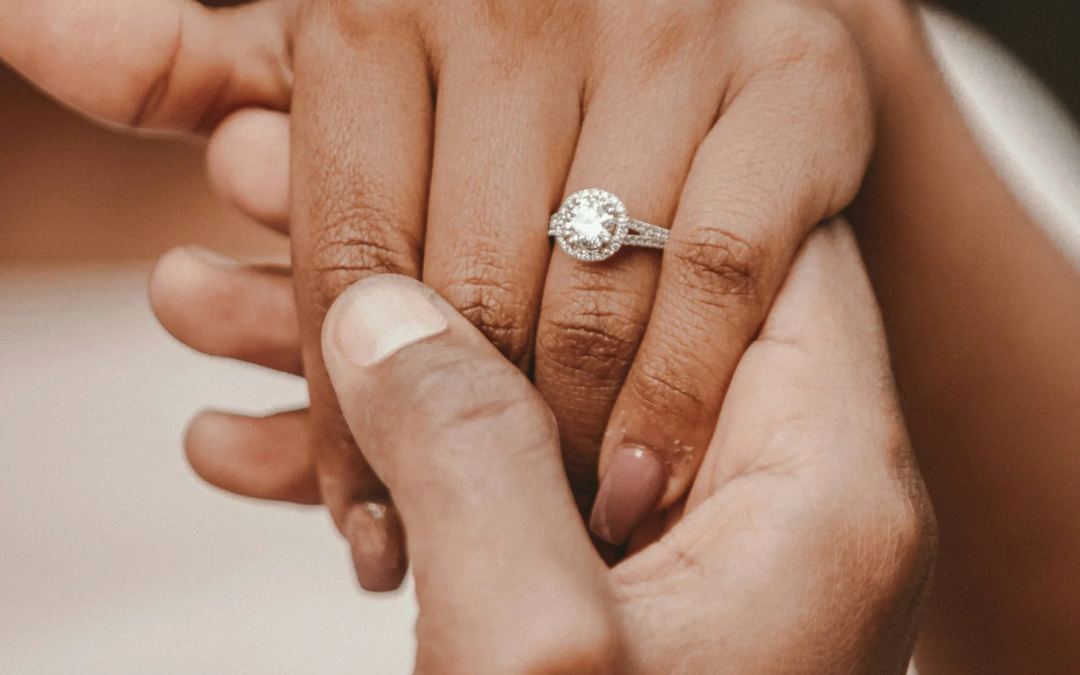
You finally buy the engagement ring. Upgrade the laptop you’ve been putting off replacing. Or surprise someone with a watch they’ve had their eye on for months.
You keep the receipt, tuck away the box, and assume that because you have homeowners or renters insurance, your new purchase is protected.
Then something happens.
The ring disappears during dinner. Your laptop gets stolen from the car. A piece of jewelry goes missing during holiday travel.
Does your insurance actually cover it?
The answer depends on more than what you paid.
How the item disappeared, your policy’s coverage limits, and whether it was separately insured can all affect what happens next.
With holiday shopping picking up around Jacksonville Beach, it’s worth understanding what your insurance actually protects before bringing home something expensive.
Lost, Stolen, or Missing? Insurance Sees a Difference.
Imagine you purchase a $6,000 engagement ring.
A few months later, it’s gone.
You retrace your steps, search the house, and call the restaurant where you last remember wearing it.
Nothing.
You know the ring is missing. What you don’t know is what happened to it.
That distinction matters.
Theft: Someone Took It
If someone breaks into your home and steals jewelry, homeowners or renters insurance may cover the loss.
But jewelry often has a special theft limit that’s significantly lower than your overall personal property coverage.
You might have $100,000 in personal property coverage but only $1,500 available for jewelry theft under a particular policy.
Those are illustrative figures. Your actual policy determines the limit.
Accidental Loss: You Know What Happened
You take off your ring at the beach, place it on your towel, and realize later that it’s gone.
Standard homeowners and renters policies generally don’t cover ordinary accidental loss.
Certain scheduled personal property endorsements or separate valuables policies may offer broader protection.
Mysterious Disappearance: It’s Gone, but You Don’t Know Why
You wore your bracelet to dinner. When you get home, it’s missing.
You can’t establish that it was stolen, and you don’t know where it went.
That’s generally considered mysterious disappearance.
Some specialized valuables policies cover this type of loss, while standard homeowners and renters policies may not.
The takeaway: Theft, accidental loss, and mysterious disappearance aren’t interchangeable. Ask which situations your policy actually covers.
Why Your $8,000 Ring Might Have Only $1,500 in Theft Coverage
Here’s a common misunderstanding:
“My homeowners policy covers $150,000 in belongings, so my jewelry is covered up to that amount.”
Not necessarily.
Homeowners and renters policies commonly have special limits for jewelry, watches, precious stones, and certain other valuables.
Consider this illustrative example:
- Ring value: $8,000
- Policy’s jewelry theft limit: $1,500
- Potential difference: $6,500
Even with substantial personal property coverage, the special jewelry limit could restrict what the insurer pays for a covered theft.
Increasing your general personal property limit may not solve that problem.
Instead, you may need to schedule the ring or purchase a separate valuables policy.
Scheduling means specifically identifying an eligible item and arranging coverage for it under an endorsement or separate policy.
Depending on the insurer, this may require an appraisal, purchase receipt, photographs, or other documentation.
Scheduled coverage can also provide broader protection for accidental loss or mysterious disappearance, depending on the policy.
Your Laptop and Electronics Have Different Coverage Questions
Jewelry gets most of the attention, but expensive electronics deserve a closer look, too.
A laptop, camera, tablet, or gaming setup can easily cost thousands to replace.
And how something gets damaged matters just as much as what it costs.
Scenario 1: Your laptop is stolen from your car.
Homeowners or renters insurance may cover qualifying theft away from home, subject to deductibles, limits, and exclusions.
Your auto policy generally isn’t what replaces the stolen laptop itself.
Scenario 2: You accidentally drop your laptop.
Standard homeowners and renters policies generally don’t cover an ordinary accidental drop.
You may need separate electronics protection or an applicable endorsement.
Scenario 3: You use your camera or laptop for business.
Personal property policies often limit coverage for business equipment, especially away from home.
If your equipment is essential to your work, business property or specialized equipment coverage may be more appropriate.
The important question isn’t simply, “Are electronics covered?”
It’s “Which situations are covered, and under what limits?”
Holiday Travel Creates More Opportunities for Coverage Gaps
During the holidays, expensive belongings spend more time away from home.
Jewelry travels in carry-on bags. Laptops move between hotels and family homes. New gifts sit in cars while people finish shopping.
Many homeowners and renters policies provide personal property coverage away from home.
But that doesn’t mean every loss is covered.
For example, a stolen $1,200 tablet might qualify for coverage, but if your policy has a $1,000 deductible, the potential payment could be much smaller than expected.
And if you simply lose the tablet, standard coverage may not respond at all.
For expensive items you regularly travel with, scheduling may offer more suitable protection.
What Happens When Your Item Is Worth More Than You Paid?
Let’s say you purchased a watch several years ago for $4,000.
Today, replacing it costs $5,500.
Which number matters?
That depends on how your policy settles claims.
Some policies use actual cash value, which generally accounts for depreciation.
Others provide replacement cost coverage, subject to policy conditions.
Scheduled valuables coverage may use an agreed value, stated amount, or another settlement method.
This becomes particularly important for jewelry, watches, and collectibles that may increase in value.
An appraisal from five years ago might not reflect today’s replacement cost.
Before scheduling an item, ask how a claim would be settled and whether your insured value should be updated.
When Should You Schedule a Valuable Item?
There’s no universal dollar amount that means something must be scheduled.
But these situations deserve a conversation:
- It exceeds your policy’s special limits. An expensive ring or watch may need additional coverage.
- You regularly travel with it. Items frequently taken outside the home face different risks.
- You want accidental-loss protection. Standard property coverage may not provide it.
- Its value has increased. Older appraisals may no longer reflect replacement costs.
- You’ve received an expensive gift. Don’t assume it’s automatically scheduled.
Scheduling isn’t necessary for every purchase. It’s about identifying which belongings need protection beyond your standard policy.
Five Things to Do Before Wrapping That Expensive Gift
A little preparation now can make a future claim much easier.
- Keep your receipt. Save a digital copy showing the purchase date, description, and price.
- Photograph the item. Record identifying details, including serial numbers for electronics.
- Ask about appraisals. Some high-value items require additional documentation.
- Check your limits and deductible. Know what your current policy actually provides.
- Talk to your agent about scheduling. Ask specifically about theft, accidental loss, mysterious disappearance, and claim settlement.
Remember: Buying an expensive item doesn’t automatically update your insurance coverage.
Frequently Asked Questions
Does homeowners insurance cover a lost engagement ring?
Generally, standard homeowners insurance doesn’t cover a ring that’s simply lost. Scheduled valuables coverage may provide broader protection, depending on the policy.
Is stolen jewelry covered by renters insurance?
Often, yes. But special jewelry theft limits and deductibles may apply.
Does renters insurance cover a stolen laptop?
It often covers qualifying theft, including certain losses away from home. Deductibles, exclusions, and business-use restrictions still matter.
Do I need an appraisal to insure expensive jewelry?
Not always. Requirements vary by insurer and item value. Some accept detailed receipts; others require appraisals.
Can I insure an expensive gift before giving it?
Potentially. Coverage depends on ownership, when the gift changes hands, and the insurer’s requirements. Ask your agent how protection should work before and after gifting.
Before the Gift Is Wrapped, Check the Coverage
We spend plenty of time comparing prices, reading reviews, and finding the perfect gift.
But understanding how that purchase is insured often gets overlooked.
And protecting something valuable doesn’t necessarily require a complicated policy overhaul.
Sometimes it starts with a simple conversation about what you own, how you use it, and what your current coverage includes.
If you’re purchasing jewelry, upgrading electronics, or giving someone a high-value gift this holiday season, First Beaches Insurance can help you review your homeowners or renters coverage and determine whether scheduling an item makes sense.
Before the gift is wrapped, let’s make sure you understand how it’s protected.