Most accidents don’t start dramatically.
They start with something ordinary.
You’re driving through Jacksonville Beach traffic, someone brakes suddenly, and a quick tap turns into a repair bill, a medical visit, and a few insurance questions you didn’t expect to answer that day.
We see situations like this all the time. And one thing becomes clear very quickly: the coverages you choose before an accident matter a lot more than the ones you wish you had afterward.
Florida roads bring a unique mix of drivers and vehicles — cars, motorcycles, golf carts, tourists, and new teen drivers all sharing the same streets. Choosing the right auto insurance isn’t just about meeting state requirements. It’s about protecting yourself financially when the unexpected happens.
Here’s a straightforward guide to the core auto coverages Florida drivers should understand, along with real-world scenarios to help you see how they actually work.
1. Florida’s Minimum Requirements: A Starting Point, Not the Finish Line
Florida operates under a no-fault insurance system, which means your own policy helps pay for your medical expenses after an accident — regardless of who caused it.
That starts with Personal Injury Protection (PIP).
Florida requires drivers to carry at least $10,000 in PIP coverage, which can help pay for:
- Emergency medical treatment
- Doctor visits
- Rehabilitation
- A portion of lost wages
This coverage helps address immediate medical costs after a crash.
But PIP alone doesn’t cover everything. If another driver is injured or their vehicle is damaged, additional coverages step in — and this is where many drivers realize the state minimums don’t go very far.
2. The Auto Coverages That Actually Protect You
Let’s break down the coverages most Florida drivers rely on.
Personal Injury Protection (PIP)
PIP helps cover your medical expenses and lost wages after an accident — even if you were at fault.
Think of it as your first layer of protection for health-related costs after a crash.
Property Damage Liability (PD)
This coverage pays for damage you cause to someone else’s property, usually another vehicle.
But it can also apply to:
- Fences
- Mailboxes
- Buildings
- Utility poles
Even a minor accident can result in several thousand dollars in repair costs, which is why this coverage matters more than people realize.
Bodily Injury Liability (BI)
If you cause an accident and someone else is injured, Bodily Injury Liability can help cover:
- Medical bills
- Lost income
- Legal costs if a claim or lawsuit follows
While Florida doesn’t require BI coverage for all drivers, it’s one of the most important protections you can have — especially in areas with heavy traffic.
Uninsured / Underinsured Motorist (UM/UIM)
Florida consistently ranks among the states with the highest percentage of uninsured drivers.
That means if someone hits you and they don’t have enough insurance — or none at all — UM coverage helps cover your injuries and damages.
This coverage often becomes the difference between a manageable claim and a costly one.
3. Florida Roads Come With Unique Risks
Driving in Florida isn’t quite the same as driving in many other states.
Here are a few situations that come up often in coastal communities like Jacksonville Beach.
Motorcycles
Motorcycle riders face higher exposure on the road. Coverage beyond basic liability can help protect against:
- Theft
- Storm damage
- Non-collision accidents
Golf Carts
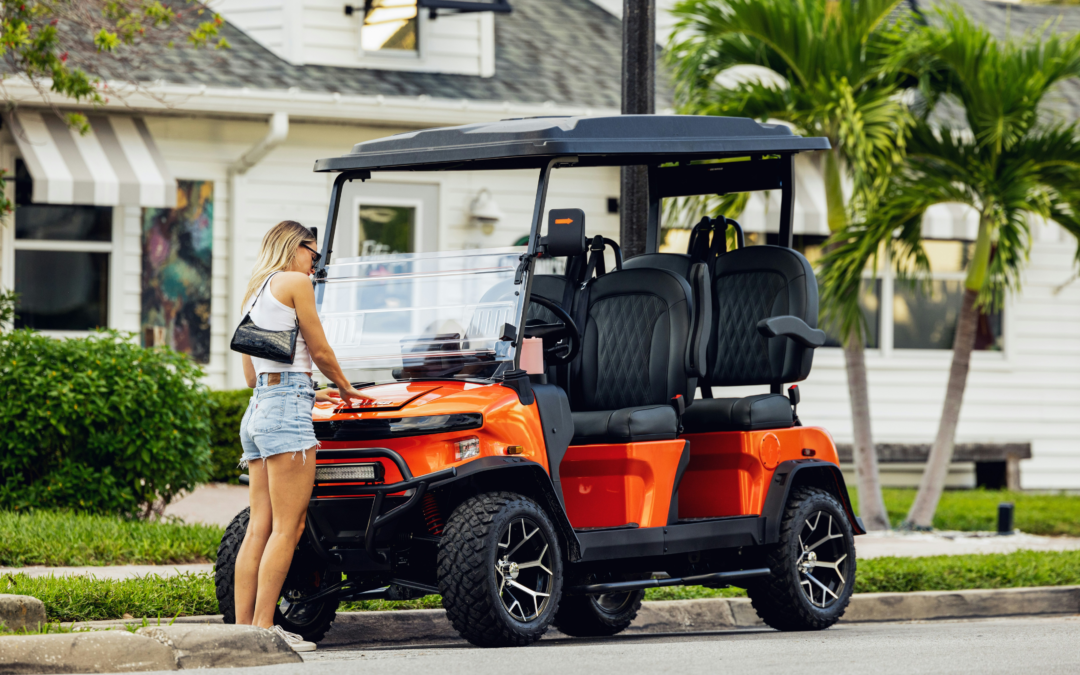
In many beach communities, golf carts share the road with regular vehicles.
But a standard auto policy doesn’t always cover golf cart use, especially if it’s driven on public roads.
Specialized coverage may be needed to properly protect drivers and passengers.
Teen Drivers
Adding a teen driver to your policy is a big milestone — and a moment to review your coverage limits.
Statistically, new drivers have higher accident rates. Reviewing liability limits and exploring safe-driver programs can help reduce both risk and cost.
4. Real Florida Driving Scenarios
Sometimes the easiest way to understand coverage is to see how it works in real life.
Scenario A: Rear-End Collision in Spring Break Traffic
You’re stopped at a light during a busy spring break weekend when another driver hits you from behind.
- PIP helps cover your immediate medical treatment
- Property Damage Liability from the other driver may cover repairs to your vehicle
- If the driver doesn’t have enough insurance, UM coverage may step in to help cover remaining costs
Scenario B: Teen Driver Fender-Bender
Your teen driver lightly taps another vehicle at a stop sign.
- Property Damage Liability helps pay for repairs to the other car
- Bodily Injury Liability can help if someone reports an injury afterward
Without these protections, those costs would come directly out of pocket.
Scenario C: Golf Cart Accident on a Beach Road
A golf cart turns left in front of a sedan.
Specialized golf cart coverage can help address:
- Damage to both vehicles
- Medical costs for passengers
- Liability claims if injuries occur
Scenario D: Motorcycle Accident in a Rainstorm
A sudden Florida rain shower makes the road slick. A motorcycle loses traction and slides into a parked car.
- Liability coverage helps pay for damage to the parked car
- Additional coverages may help address damage to the motorcycle itself
5. Why Spring Is a Smart Time to Review Your Auto Coverage
March and April bring noticeably heavier traffic across Florida.
Between spring break travel, beach tourism, and more people spending time outdoors, roads get busier — which naturally increases the chance of accidents.
A quick coverage review now helps ensure your policy still reflects your current driving risks before the busy months ahead.
6. A Simple Checklist for Reviewing Your Coverage
If you’re unsure where to start, here are a few helpful questions:
- Are your liability limits high enough to protect your savings?
- Do you carry Uninsured Motorist coverage?
- Does your policy address golf carts or motorcycles if you own them?
- Has adding a teen driver changed your risk exposure?
- Would an umbrella policy provide additional peace of mind?
Taking a few minutes to review these areas can prevent much larger surprises later.
Conclusion
Accidents rarely happen at convenient times — and they often involve costs people never expected.
Choosing the right auto coverages isn’t about preparing for the worst-case scenario. It’s about making sure a normal, everyday accident doesn’t turn into a financial setback.
If you’re not sure whether your current auto policy would protect you in these situations, we’re happy to take a look.
At First Beaches Insurance, we help local drivers understand their options and build coverage that fits how they actually use the road.
Schedule a quick auto coverage review, and we’ll walk through your policy together — in plain English.